
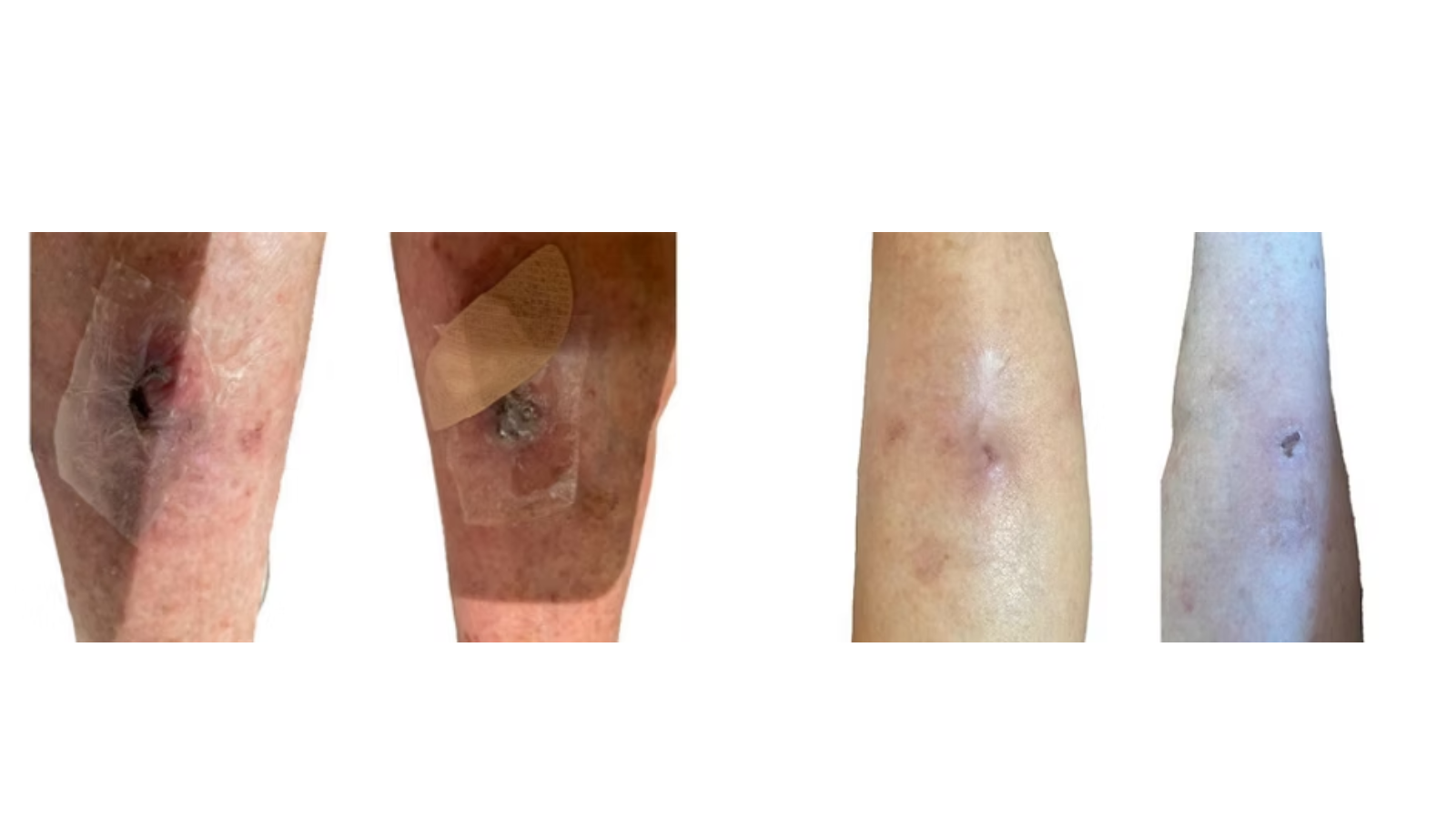
Refractory Squamous Cell Carcinoma
Successful Treatment of Refractory Squamous Cell Carcinoma with Regenerative Cell Therapy. This case highlights the potential therapeutic benefits of regenerative cell therapy in the management of refractory squamous cell carcinoma. By targeting both systemic and localized aspects of the disease, regenerative cell factors offer a promising approach to addressing treatment-resistant cancers and promoting tissue healing. Further research and clinical studies are warranted to validate these findings and optimize the use of regenerative cell therapy in cancer care.
Patient Information
- Age: 67 years old
- Gender: Female
- Ethnicity: White
- Medical History: No medications, alcohol, tobacco, vaccines, allergies, or known genetic diseases.
Presenting Complaint
The patient was diagnosed with squamous cell carcinoma that proved resistant to traditional treatment modalities, including chemotherapy, radiation therapy, biologics, patches, and exosomes. Despite undergoing multiple courses of treatment, her condition remained refractory, prompting exploration of alternative therapeutic options.
Treatment Approach
Given the lack of response to conventional therapies, the medical team initiated regenerative cell therapy. The patient received a total of six treatment sessions administered bi-weekly. Each session consisted of six units of complete regenerative cell factors.
The therapy was delivered intravenously, as well as via subcutaneous and intramuscular injections around and under both leg wounds, directly targeting the affected areas.
Clinical Course
Throughout the course of regenerative cell therapy, the patient demonstrated promising signs of improvement. The treatment targeted both systemic disease processes and localized lesions on the legs, aiming to harness regenerative potential to combat cancer while promoting tissue healing.
Outcome
- Tumor Regression: Lesions on the legs showed reduced size and severity over time.
- Pain Relief: The patient reported reduced pain and discomfort, indicating improved wound healing.
- Enhanced Mobility: Healing of leg wounds enabled improved mobility and daily function.
Follow-Up
The patient continued to be closely monitored following completion of therapy. Periodic assessments and imaging studies were conducted to evaluate long-term efficacy and monitor for recurrence or disease progression.
Conclusion
This case highlights the potential therapeutic benefits of regenerative cell therapy in the management of refractory squamous cell carcinoma. By targeting both systemic and localized aspects of the disease, regenerative cell factors offer a promising approach to treatment-resistant cancers and tissue healing. Further clinical studies are warranted to validate these findings and optimize treatment protocols.