
Effective Autoimmune Disorder Treatment
Treatment of Vitiligo with Regenerative Cell Therapy. This case highlights the potential of regenerative cell therapy in treating vitiligo, especially in patients who have not responded to conventional treatments or have underlying autoimmune disorders. By stimulating melanocyte regeneration and promoting collagen and elastin production, regenerative therapy offers new hope for individuals seeking effective management of vitiligo. Further research and clinical studies are warranted to validate these findings and optimize treatment protocols for vitiligo.
Patient Information
- Age: 63 years old
- Gender: Female
- Ethnicity: White
- Medical History: No allergies or known genetic diseases. History of depression treated with SSRIs and SNRIs for 12 years. Moderate alcohol consumption (4–5 drinks per week) and daily coffee intake (2–3 cups per day). Received multiple vaccinations since childhood. Diagnosed with an autoimmune disorder and currently treated with Ruxolitinib.
Presenting Complaint
Mrs. Thompson presented with vitiligo, a dermatological condition characterized by depigmented patches resulting from the loss of melanocytes. Despite previous treatment for her autoimmune disorder, including immunosuppressive therapies, she experienced minimal improvement in her vitiligo.
Treatment Approach
Due to limited response to conventional treatments, the patient elected to undergo regenerative cell therapy. Over a six-month period, she received six treatment sessions, each consisting of six units of complete regenerative cell factors.
The therapy was administered using a multimodal approach, including intravenous infusion, subcutaneous injections, and topical application via micro-channel delivery to directly target affected skin areas.
Clinical Course
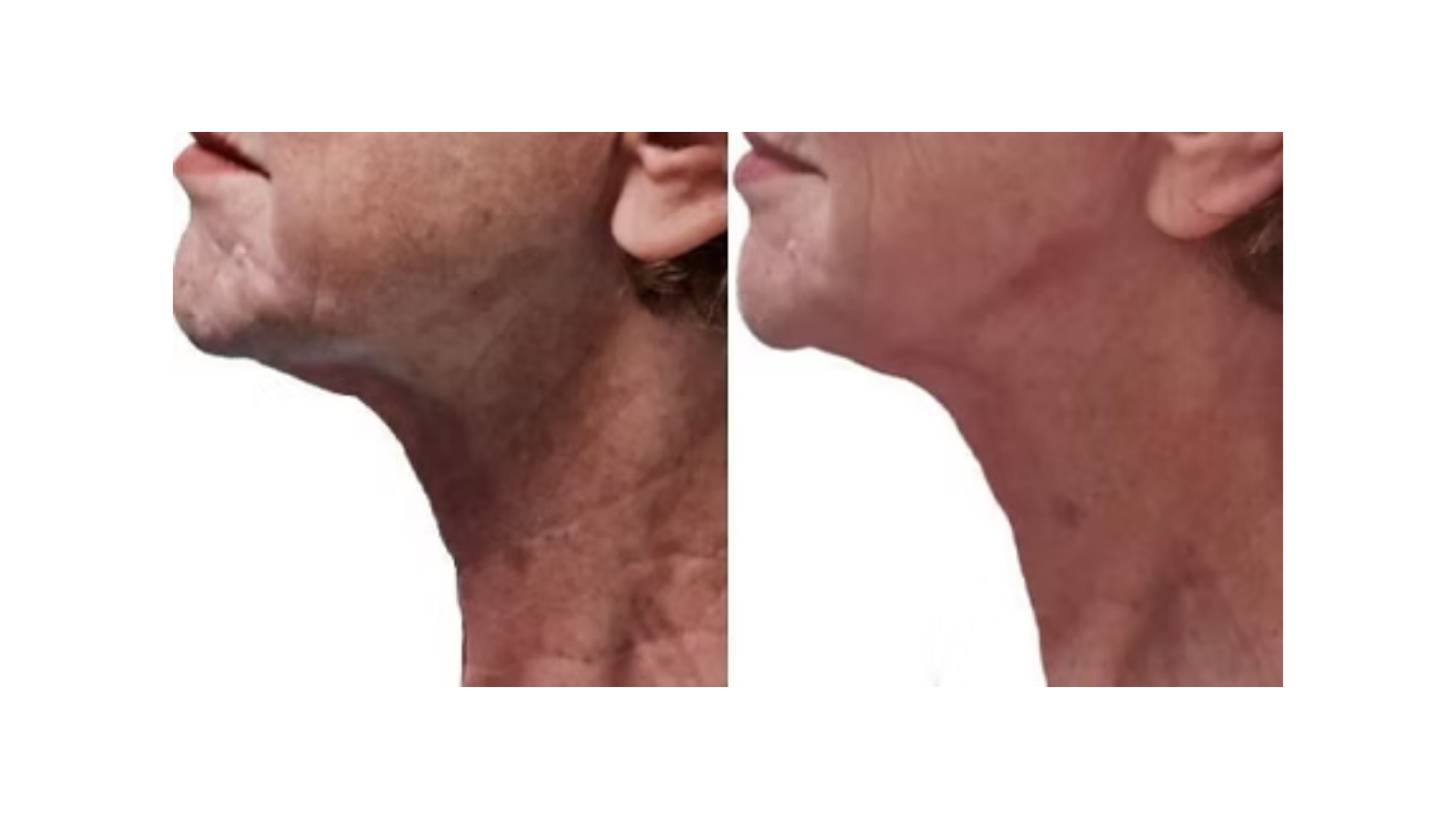
Following completion of the six-month treatment protocol, Mrs. Thompson experienced visible improvement in vitiligo-affected skin. The regenerative cell therapy targeted underlying mechanisms of depigmentation and promoted melanocyte regeneration.
Outcome
- Phenotypic Changes in Melanocytes: Noticeable repigmentation was observed in previously depigmented areas of the skin.
- Collagen and Elastin Production: Increased collagen and elastin production resulted in improved skin firmness, particularly around the neck and jawline.
Follow-Up
Mrs. Thompson continued to be closely monitored following completion of therapy. Regular dermatological assessments were conducted to evaluate long-term treatment efficacy and monitor skin repigmentation progress.
Conclusion
This case highlights the potential role of regenerative cell therapy in the treatment of vitiligo, particularly in patients with underlying autoimmune disorders who have not responded adequately to conventional therapies. By stimulating melanocyte regeneration and enhancing collagen and elastin production, regenerative therapy offers a promising avenue for vitiligo management. Further clinical studies are warranted to validate these findings and optimize treatment protocols.